Monkey Banana: A Cheerful Font Duo for Playful Design
Imagine a font that doesn't just sit on the page but leaps off it, radiating pure, unadulterated joy. That's the immediate impression made by the Monkey Banana font duo, a creative asset built to inject personality and a smile into any visual project. In a design landscape saturated with minimalist sans-serifs and serious serifs, this typeface duo offers a refreshing burst of fun, proving that professional design can also be profoundly playful.
Understanding the Monkey Banana Font Duo
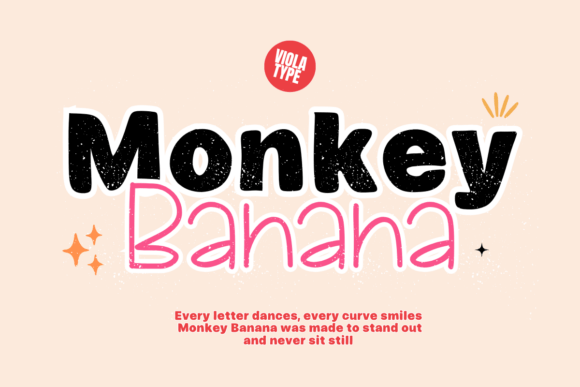
At its core, Monkey Banana is a study in complementary contrasts. It masterfully pairs two distinct typeface styles to create a versatile and dynamic toolkit. The first is a light, handwritten script that flows with casual elegance, perfect for adding a personal, approachable touch. The second is a chunky, bold display font that commands attention with its strong, rounded character. This combination is the secret to its flexibility, allowing designers to craft a complete visual language from a single asset.
Why does this matter in modern graphic design? Effective visual communication is about more than just conveying information; it's about evoking an emotion and creating a connection. Typography is a primary vehicle for this. A font like Monkey Banana doesn't just spell out words; it communicates a tone of friendliness, creativity, and approachability. This makes it an invaluable tool for projects where building a relatable and engaging brand identity is the goal.
Practical Applications for Playful Typography
The true value of any creative asset lies in its application. The Monkey Banana duo is engineered for a wide array of projects where a cheerful and memorable aesthetic is desired. Its design makes it particularly effective for:
- Branding and Logo Design: Ideal for children's brands, boutique bakeries, creative studios, or any business wanting to project a fun, welcoming personality.
- Marketing and Social Media Graphics: Creates eye-catching Instagram posts, story templates, and promotional materials that stop the scroll and boost user engagement.
- Packaging and Merchandise: Perfect for product labels, tote bags, stickers, and stationery, adding a unique, handmade feel that enhances perceived value.
- Editorial and Web Design: Use the bold display font for impactful headings in magazines, blogs, or website hero sections to establish a strong visual hierarchy and modern aesthetic.
- Presentations and Digital Products: Transform a standard slide deck or an eBook cover into a polished, professional, and engaging experience for your audience.
Tips for Using Playful Fonts Effectively
Incorporating a bold, personality-driven font like Monkey Banana into your design workflow requires a thoughtful approach to maintain clarity and professionalism. Here are some key considerations:
- Prioritize Readability: While the script font is beautiful, reserve it for shorter text elements like subheadings, quotes, or accents. For body copy, pair it with a simple, highly legible sans-serif to ensure your message is easily consumed.
- Establish Visual Hierarchy: Use the bold display weight for main headlines and the script for supporting text or calls to action. This contrast naturally guides the viewer's eye through the content, improving the overall user experience.
- Consider Your Audience: This font duo resonates powerfully with audiences looking for creativity and warmth. Align its use with your project's goals—it’s perfect for a children's book cover but might be less suited for a corporate financial report.
- Balance with Other Elements: Let the typography be a star, but support it with a harmonious color palette and clean composition. Avoid competing visual elements that could make the design feel cluttered.
Ultimately, thoughtful design is about choosing the right tool for the job. Assets like the Monkey Banana font duo empower creators to move beyond generic templates and build visuals with genuine character and emotional resonance. By selecting typography that aligns with a brand's voice and an audience's expectations, designers and marketers can significantly elevate the quality of their communication, ensuring their work is not only seen but felt and remembered.