Terrakota: A Duo Font for Modern Design
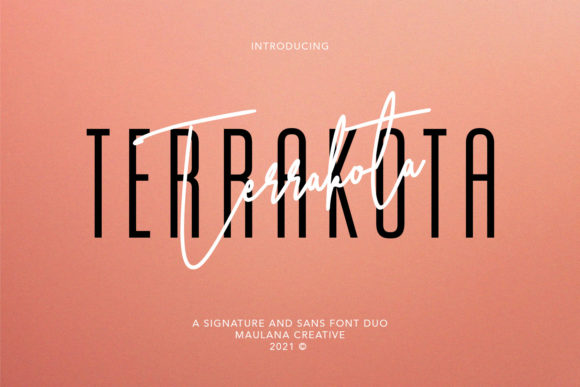
Imagine a single typography solution that effortlessly bridges the gap between structured professionalism and organic, heartfelt expression. In the fast-paced world of graphic design, finding assets that offer both versatility and distinct character is crucial. This is where Terrakota stands out as a premier choice for creators. Terrakota is a lovely duo font pairing featuring a clean sans serif and a flowing script. It possesses a casual, yet elegant touch that instantly elevates visual communication. Whether you are refining a brand identity or launching a new marketing campaign, this font family provides the flexibility needed to handle logos, wedding invitations, headings, and signage with equal grace.
The Power of the Duo Font in Branding
Typography is the voice of your visual design. When building a brand identity, consistency is key, but monotony can be fatal. A duo font like Terrakota solves this by offering two distinct yet harmonious personalities. The sans serif component provides the structure and readability necessary for body text, UI design, and professional presentations. Meanwhile, the script element introduces a human touch, perfect for accents, call-to-action buttons, or emotional headlines.
For graphic designers, this pairing simplifies the creative workflow. Instead of hunting for separate fonts that complement each other, Terrakota offers a pre-balanced system. This ensures that your typography maintains visual hierarchy without clashing. It is particularly effective in logo design, where the combination of a stable base and a dynamic accent can create a memorable mark that stands out in a crowded market.
Practical Applications Across Creative Projects
The true value of a design asset lies in its adaptability. Terrakota is not limited to digital screens; it translates beautifully across various mediums, making it a favorite for print design and merchandise. Its casual elegance makes it suitable for a wide range of creative projects.
Consider how this font duo can transform specific deliverables:
- Marketing Materials: Use the script for headlines to grab attention in posters and flyers, while the sans serif ensures the details remain legible.
- Social Media Graphics: Create cohesive Instagram stories and Pinterest pins that feel personal yet professional, boosting user engagement.
- Packaging Design: Apply the elegant touch to labels and badges to convey a premium, artisanal quality that appeals to consumers.
- Editorial Design: Enhance magazine layouts or blog headers by mixing the two styles to break up text blocks and guide the reader’s eye.
- Event Stationery: From wedding invitations to letterheads, the font adds a sophisticated warmth that standard typefaces often lack.
Integrating Terrakota into Your Design Workflow
When selecting creative assets, you must consider scalability and compatibility. Terrakota performs exceptionally well in both small-scale applications, like badges, and large-format prints, like signage. To maximize its impact, pay attention to your color palette. Because the font has a strong personality, it pairs best with clean layouts and ample white space.
Here are a few tips for effective implementation:
- Define the Hierarchy: Decide which element—structure or emotion—should dominate. Use the script sparingly for maximum impact on key phrases.
- Check Readability: While the script is beautiful, ensure it remains legible at smaller sizes, particularly for mobile UI design and web design.
- Maintain Contrast: Pair the font with high-contrast imagery or solid color blocks to ensure the text pops against the background.
Ultimately, great design is about making intentional choices that serve a specific goal. By incorporating high-quality typography like Terrakota into your toolkit, you enhance the professionalism of your work. It allows you to communicate complex ideas with nuance and style, ensuring that your creative projects not only look good but also connect with your audience on a deeper level. Thoughtful asset selection is the foundation of effective visual communication, turning standard content into compelling experiences.