Altobello: Elevate Designs with Retro Script Charm
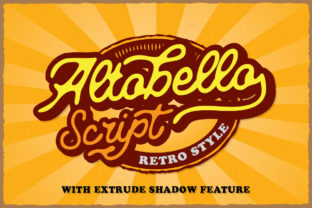
In a digital landscape saturated with minimalist sans-serifs, a bold, retro-inspired script can be your most powerful tool for cutting through the noise. The Altobello script is a perfect example, offering a retro script aesthetic with a bold shadow feature that instantly injects personality, nostalgia, and a commanding presence into any visual project. This isn't just another typeface; it's a creative asset designed to make a statement.
The Power of Retro Script in Modern Design
Why does a style rooted in the past resonate so strongly today? Retro typography, like Altobello, taps into a sense of authenticity and craftsmanship that feels both familiar and refreshingly distinct. Its bold swashes and shadow details create immediate visual hierarchy, guiding the viewer's eye with confident strokes. This makes it an invaluable tool for graphic designers looking to evoke specific emotions—whether it's the warmth of a vintage diner, the excitement of a classic circus poster, or the premium feel of a heritage brand. In branding, this authentic charm helps build a memorable brand identity that stands apart from competitors.
Practical Applications for Maximum Impact
The versatility of a well-crafted script font allows it to enhance numerous creative projects across various mediums. Consider integrating Altobello into your design workflow for:
- Branding & Logo Design: Create a distinctive wordmark or logo that conveys tradition, energy, or playfulness. The built-in shadow adds depth without extra layers.
- Marketing Materials: From flyers and posters to digital ads, a bold script grabs attention in advertising campaigns and communicates key messages with flair.
- Social Media Graphics: Elevate your content on platforms like Instagram and Pinterest. Use it for impactful headlines, quotes, or sale announcements that stop the scroll.
- Editorial & Packaging Design: Add a touch of elegance to magazine layouts, book covers, or product packaging, especially for artisanal goods, food, or beverage labels.
Integrating Altobello into Your Visual System
To use such a distinctive font effectively, thoughtful integration is key. First, ensure readability. Use Altobello for headlines, logos, or short bursts of text where its intricate details can shine, and pair it with a clean, neutral font for body copy to maintain clarity. Second, consider your color palette. The font's bold shadow works beautifully with contrasting colors or as a knockout in a monochromatic scheme. Finally, maintain consistency. Decide on specific applications—like all main headers or promotional callouts—to build a cohesive visual language across your website design, UI elements, and print materials.
Choosing the right creative assets is a critical part of the design process. It's about finding tools that not only look good but also solve communication problems and enhance the user experience. A resource like the Altobello script provides a quick way to inject proven visual impact and personality into your work. By making intentional typography choices that align with your project's goals and audience expectations, you transform good design into great, memorable communication that truly connects.